
Semana Santa 2026: Travel Momentum and Cultural Traditions
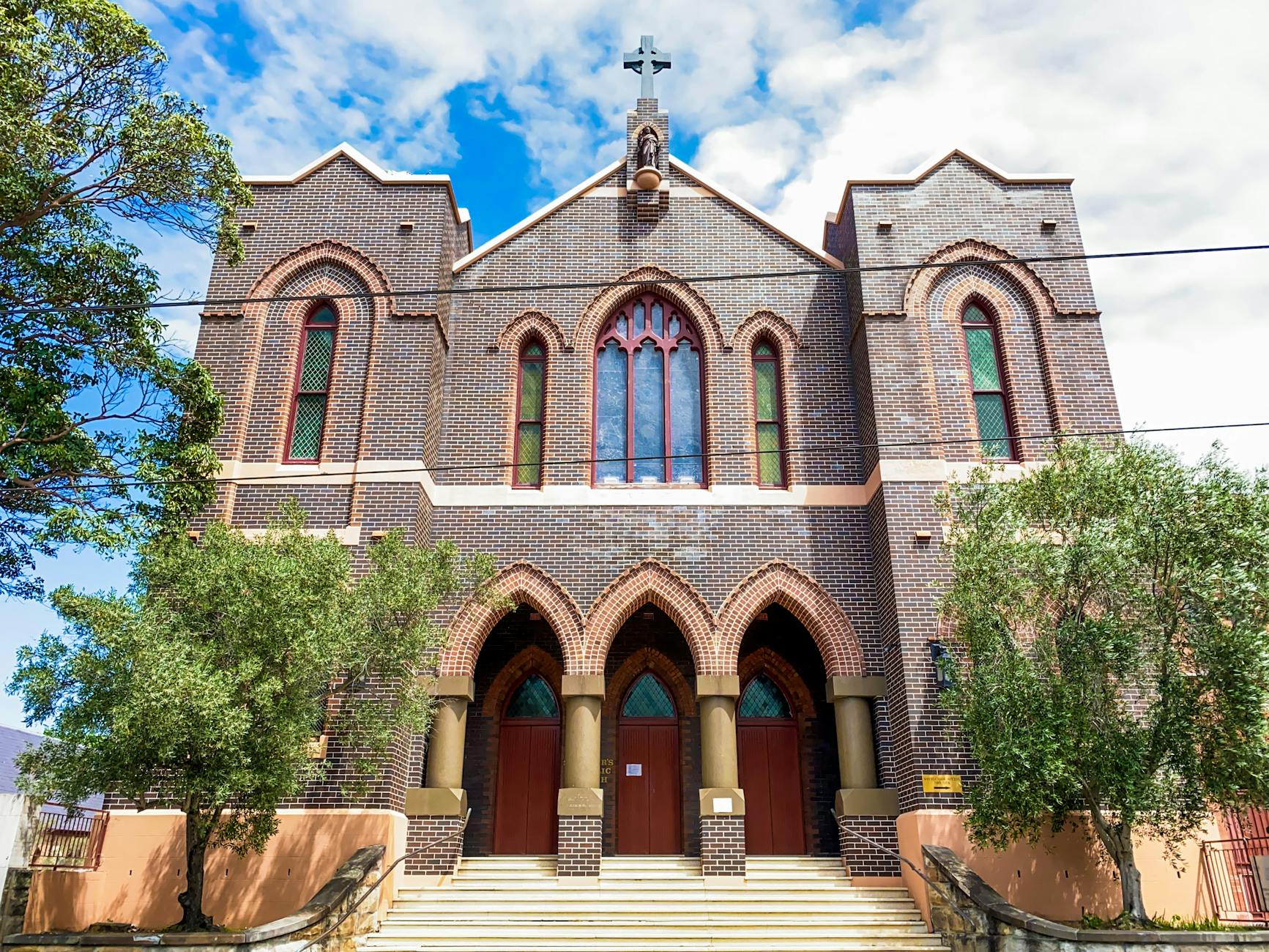
MEXICO CITY, March 2, 2026 – As Mexico and Latin America enter the month of March, preparations for Semana Santa (Holy Week) are intensifying. With the holiday falling in late March this year, travel sectors are reporting high booking volumes, while historic centers from Antigua Guatemala to Seville prepare for the year’s most significant religious and cultural observances.
Current Outlook for 2026
As of early March 2026, the tourism industry is seeing a significant surge in activity. Volaris, one of Mexico’s leading airlines, reported during its Q4 2025 earnings call that booking trends for the 2026 spring season are “very healthy,” with momentum building specifically toward the Semana Santa period. This aligns with broader regional trends where travelers are seeking traditional destinations for the holiday break.
Regional Highlights and Travel Trends
- Mexico: In Jalisco and Puerto Vallarta, officials are preparing for a robust influx of “Tapatíos” (Guadalajara residents) and international tourists. While some local sectors are aiming for a more controlled environment compared to previous years, the economic impact remains a primary focus for the coastal regions.
- Guatemala: Antigua Guatemala remains a global focal point for 2026. Travelers are being advised of updated regulatory changes for the 2026 season to manage the massive crowds that gather to witness the famous processions and intricate sawdust carpets (alfombras).
- Spain: In Seville, planning is well underway for the traditional processions. Local guides are emphasizing the importance of early ticketing and adherence to local etiquette during this high-traffic period.
The Significance of Holy Week
Semana Santa is the most sacred week in the Christian calendar, commemorating the final days of Jesus Christ. It serves as a period of self-examination, penitence, and intense devotion leading up to Easter Sunday.
Key Observances
- Palm Sunday: Commemorates the triumphal entry of Jesus into Jerusalem.
- Maundy Thursday: Marks the Last Supper and the institution of the Eucharist.
- Good Friday: A solemn day of mourning reflecting on the crucifixion and death of Jesus.
- Holy Saturday: A day of transition and vigil.
- Easter Sunday: The celebration of the Resurrection.
Key Facts
| Event | Description |
|---|---|
| Definition | The week between Palm Sunday and Easter Sunday. |
| Primary Focus | The Passion, death, and resurrection of Jesus Christ. |
| Cultural Elements | Processions, religious services, and public festivals. |
| Duration | Seven to eight days (depending on local tradition). |
Frequently Asked Questions
When is Semana Santa 2026?
In 2026, Semana Santa begins on Palm Sunday, March 29, and concludes on Easter Sunday, April 5.
How does Semana Santa affect travel in Mexico?
It is one of the busiest travel periods in Mexico. Coastal destinations like Puerto Vallarta and cultural hubs see a massive increase in domestic tourism. Travelers should expect higher prices for flights and accommodations, as noted by recent airline industry reports.
What are the most famous places to observe Semana Santa?
While celebrated throughout Latin America and Spain, the most famous observances occur in Antigua Guatemala, Seville (Spain), and various historic colonial cities across Mexico such as Taxco and San Luis Potosí.
Is Semana Santa a public holiday in Mexico?
While not all days are statutory federal holidays, many businesses and schools close for the entire week, and Maundy Thursday and Good Friday are widely observed as non-working days.