
Armed Intruder Neutralized at Mar-a-Lago; Clashes in Sinaloa Leave One Dead
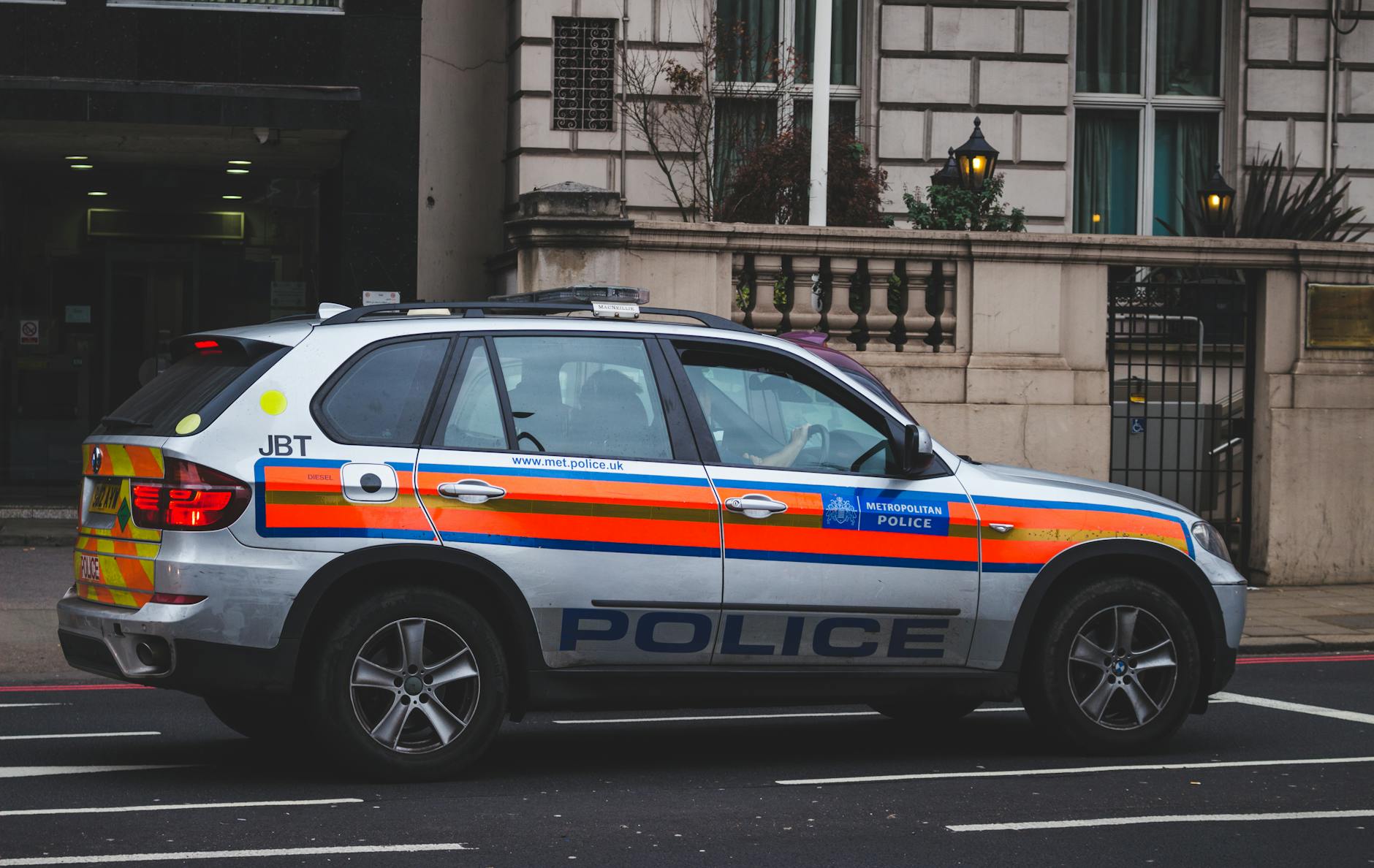
MEXICO CITY, February 22, 2026 – Security forces in both the United States and Mexico have reported high-stakes confrontations over the last 24 hours. In Florida, Secret Service agents neutralized an armed individual attempting to breach the Mar-a-Lago estate, while in Culiacán, Sinaloa, a shootout between police and organized crime members resulted in one suspect being killed.
Security Incident at Mar-a-Lago
In the early hours of February 22, 2026, United States Secret Service agents confronted a 20-year-old male who attempted to forcibly enter the Mar-a-Lago residence in Palm Beach, Florida. The intruder was reportedly armed with a shotgun and carrying gasoline. According to official reports, the suspect was “abatido” (shot and killed) after agents opened fire to neutralize the threat. At the time of the incident, Donald Trump was reportedly in Washington, D.C. Investigators are currently working to establish a psychological profile of the deceased and determine the motive behind the attempted breach.
Violence in Culiacán, Sinaloa
In Mexico, the state of Sinaloa continues to experience intense criminal conflict. A recent confrontation in the capital city of Culiacán between municipal police and suspected criminal elements led to the death of one gunman. The exchange of fire occurred during a patrol operation, highlighting the ongoing volatility in the region. This event follows a pattern of concentrated violence and checkpoint proliferation noted by international observers in the “Golden Triangle” region, comprising Sinaloa, Durango, and Zacatecas.
Legal and Tactical Context of “Abatido”
The term “abatido” is frequently used in Spanish-language security reporting to describe a suspect who has been killed by security forces during a confrontation. Under Mexican law and international standards, the use of deadly force is authorized when there is a reasonable belief that a subject poses an imminent danger of death or serious injury to officers or third parties. However, human rights organizations continue to monitor these incidents closely to ensure they do not constitute extrajudicial executions, particularly within the context of Mexico’s “Protocol for the Investigation of Violent Deaths.”
Key Facts
| Concept/Entity | Legal/Operational Definition |
|---|---|
| Line-of-Duty Death | Any action, felonious or accidental, claiming the life of a public safety officer performing work-related functions. |
| Deadly Force Authorization | Authorized when a subject poses imminent danger of death or serious physical injury to agents or others. |
| Legal Justification (Mexico) | Killing may not incur criminal responsibility if performed in self-defense or state of necessity. |
| Medicolegal Death Investigation (MLDI) | System responsible for conducting death investigations and certifying the cause and manner of death. |
| International Humanitarian Law | Requires that the dead in conflict zones be honorably interred and identified. |
Frequently Asked Questions
What does “abatido” mean in a news context?
In the context of law enforcement and military reports, “abatido” refers to a person who has been shot and killed by security forces during an armed encounter or while resisting arrest with lethal force.
Was Donald Trump present during the Mar-a-Lago incident?
No. Reports indicate that while the incident occurred at his Florida residence on February 22, 2026, Donald Trump was in Washington, D.C. at the time.
What are the rules for using deadly force in Mexico?
According to the Mexican Law Review and U.S. Customs and Border Protection standards, deadly force is a measure of last resort. It is legally permissible only when there is an immediate threat to life, falling under the categories of self-defense or necessity.
How are violent deaths investigated in Mexico?
Mexico employs specific protocols for investigating violent deaths, including a mandatory requirement that every violent death of a woman be investigated as a potential femicide. All such deaths must be registered with a local registrar in the district where the body was found or death pronounced.